Nu Metal: The Sound, Style and Culture of the Early 2000s


Few musical movements captured the attitude of the late 1990s and early 2000s quite like nu metal. Loud, aggressive and deliberately unconventional, the genre brought together heavy metal, hip hop, alternative rock and electronic influences to create a sound that dominated music channels, festivals and teenage bedrooms. From Korn and Limp Bizkit to Linkin Park, Slipknot and Papa Roach, nu metal became more than a musical genre. It developed its own unmistakable style and became closely tied to the wider culture of the era.
What Was Nu Metal?
Nu metal emerged during the late 1990s, taking elements of traditional metal and mixing them with influences from hip hop, grunge, alternative rock and other contemporary genres. Rather than following the conventions of classic heavy metal, nu metal bands experimented with down-tuned guitars, heavy bass, rhythmic vocals, sampling and rap-inspired delivery. The result was a sound that felt distinctly modern at the time. Korn helped establish the blueprint, while bands such as Limp Bizkit, Deftones, Slipknot and Linkin Park would take the genre in different directions.
The Bands That Defined the Era
Korn were among the most influential bands in the development of nu metal, with their dark sound and unconventional approach helping to establish the genre in the 1990s. Limp Bizkit took nu metal in a more hip hop-influenced direction, becoming one of the biggest acts of the early 2000s. Their combination of heavy guitars, rap vocals and energetic performances became synonymous with the era. Elsewhere, Linkin Park brought a more melodic and polished sound to the genre, while Slipknot introduced a much darker and more extreme aesthetic. Papa Roach, System of a Down and Deftones also became major names associated with the wider nu metal movement. By the early 2000s, the genre was firmly embedded in mainstream popular culture.

What Did Nu Metal Fans Wear?
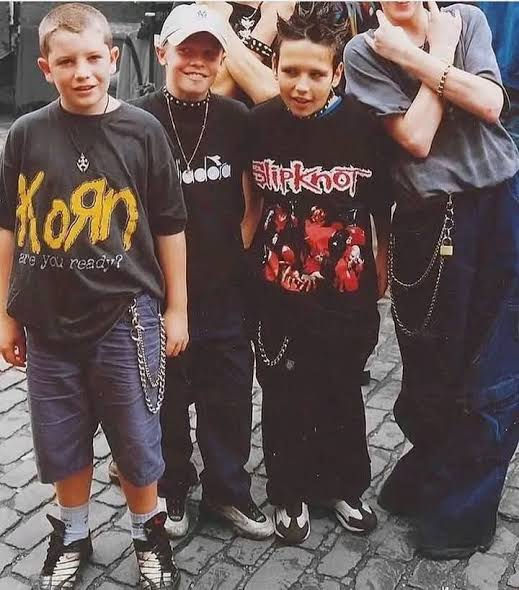
The nu metal look was just as recognisable as the music. Oversized graphic T-shirts, baggy jeans, cargo trousers, hoodies and tracksuits were common, often combined with skate-inspired footwear and accessories. Clothing was generally relaxed and oversized rather than fitted, reflecting the broader influence of skate culture and hip hop on early-2000s fashion, band merchandise was also a major part of the look. A Korn, Limp Bizkit, Slipknot or Linkin Park T-shirt could function as both music merchandise and a statement of identity. The style wasn't necessarily about looking polished. It was deliberately casual, oversized and slightly rough around the edges — something that fits naturally into the wider Y2K fashion landscape.

Nu Metal and Early-2000s Youth Culture
Nu metal was closely connected to the culture surrounding it. Music television, skate videos, video games, alternative magazines and festivals all helped spread the aesthetic. Bands weren't simply heard on the radio; they became part of a wider visual culture. For teenagers growing up in the late 1990s and early 2000s, the music, clothing and imagery could all become part of the same identity. A baggy pair of jeans, oversized band tee and skate shoes could be just as recognisable as the music playing through a portable CD player. This was also an era when genres increasingly crossed over. Hip hop, skate culture, metal, punk and alternative fashion frequently influenced one another, creating some of the distinctive combinations that now define early-2000s style.
Why Is Nu Metal Coming Back?
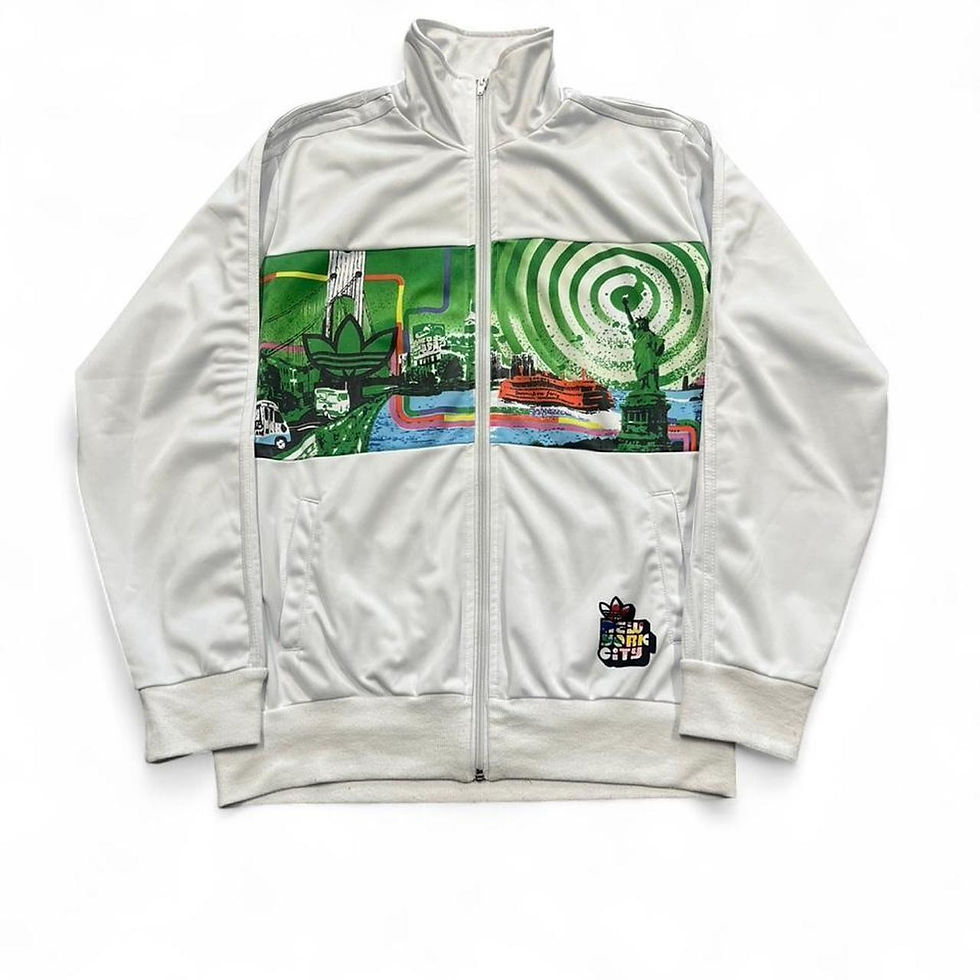
Like many elements of late-90s and early-2000s culture, nu metal has found a new audience among a generation discovering the era for the first time. Older fans are revisiting the music they grew up with, while younger audiences have discovered bands such as Korn, Limp Bizkit and Linkin Park through streaming, social media and renewed interest in Y2K culture. The fashion associated with the scene has also returned. Baggy denim, oversized graphic tees, cargo trousers and vintage sportswear have all become increasingly prominent again, making the clothing of the original nu metal era feel surprisingly relevant today. What once represented the rebellious youth culture of the early 2000s has become part of the vintage fashion landscape.
The Legacy of Nu Metal
Nu metal may have been difficult to categorise, but that was arguably part of its appeal. It brought together sounds, styles and subcultures that had previously existed separately and turned them into something unmistakably early 2000s. Its influence can still be seen in music, fashion and popular culture today. Whether it's an old Korn T-shirt, a pair of oversized 00s jeans or the unmistakable sound of Limp Bizkit coming through a car stereo, the era continues to have a strong cultural identity.
For anyone interested in vintage clothing, nu metal is another reminder that fashion isn't created in isolation. The clothes people wore were shaped by the music they listened to, the subcultures they followed and the culture surrounding them and few eras demonstrate that connection quite as clearly as nu metal.


Comments