Chemise Lacoste: The History of Vintage Lacoste Labels


Vintage Lacoste is a staple of classic sportswear, from colourful 1980s polo shirts to French-made knitwear and timeless tennis-inspired pieces. For vintage shoppers, the words Chemise Lacoste on a neck label are an instantly recognisable detail, connecting a garment to the French brand's long history of sportswear innovation. What does Chemise Lacoste actually mean, which era does the label belong to, and why are Made in France and Made in Spain pieces so interesting to vintage collectors? Understanding the history behind the label helps you appreciate the design, craftsmanship and heritage that make vintage Lacoste such an enduring part of the second-hand clothing scene.
What Does Chemise Lacoste Mean?
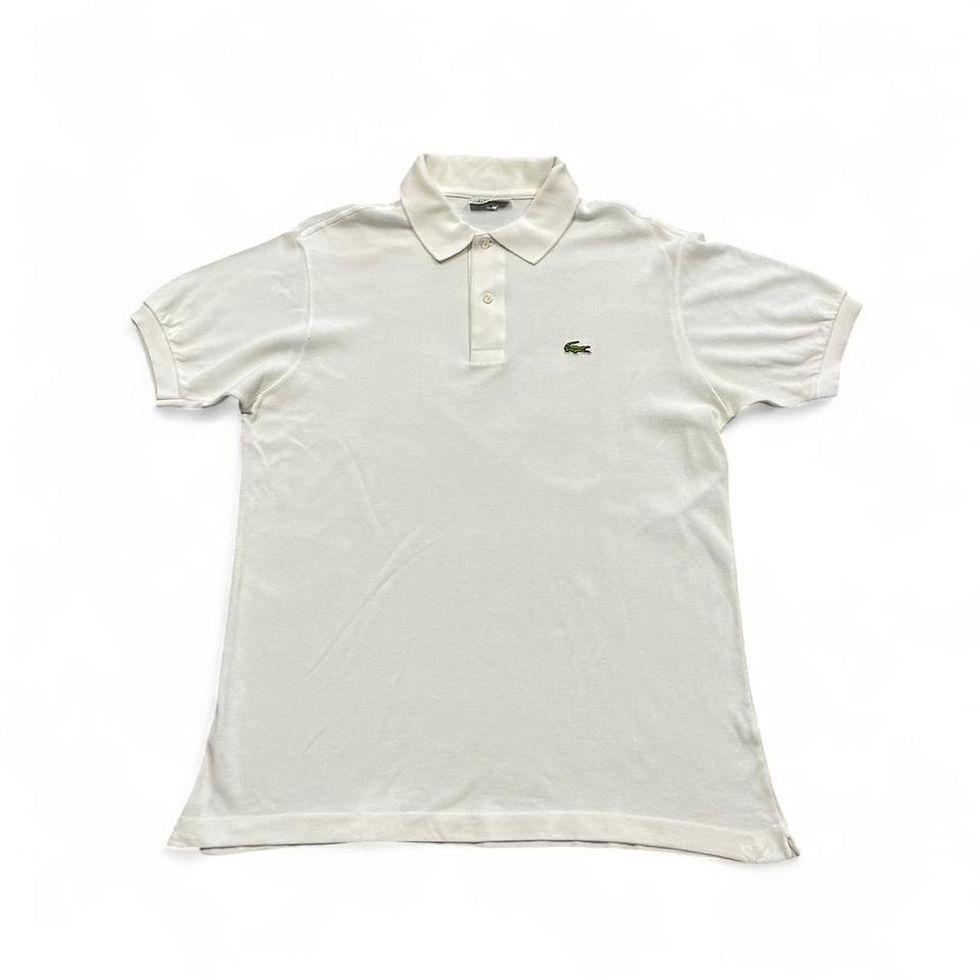
The word chemise is French for shirt. The name La Chemise Lacoste was used when tennis champion René Lacoste and textile manufacturer André Gillier established their business in 1933, introducing a new approach to tennis clothing. Before the modern polo became popular, tennis players traditionally wore long-sleeved shirts that could feel restrictive during a match. René Lacoste developed a short-sleeved alternative using lightweight, breathable cotton piqué, designed to offer greater comfort and freedom of movement. The original polo, known as the L.12.12, featured a buttoned placket, ribbed collar and the now-famous embroidered crocodile. The result was a garment that combined sporting practicality with a clean, understated style. What began as innovative tennis clothing eventually became a defining piece of everyday sportswear. The Chemise Lacoste name reflects this original identity: a French shirt brand built around the polo and its distinctive sporting heritage.
What Era Is the Chemise Lacoste Label From?
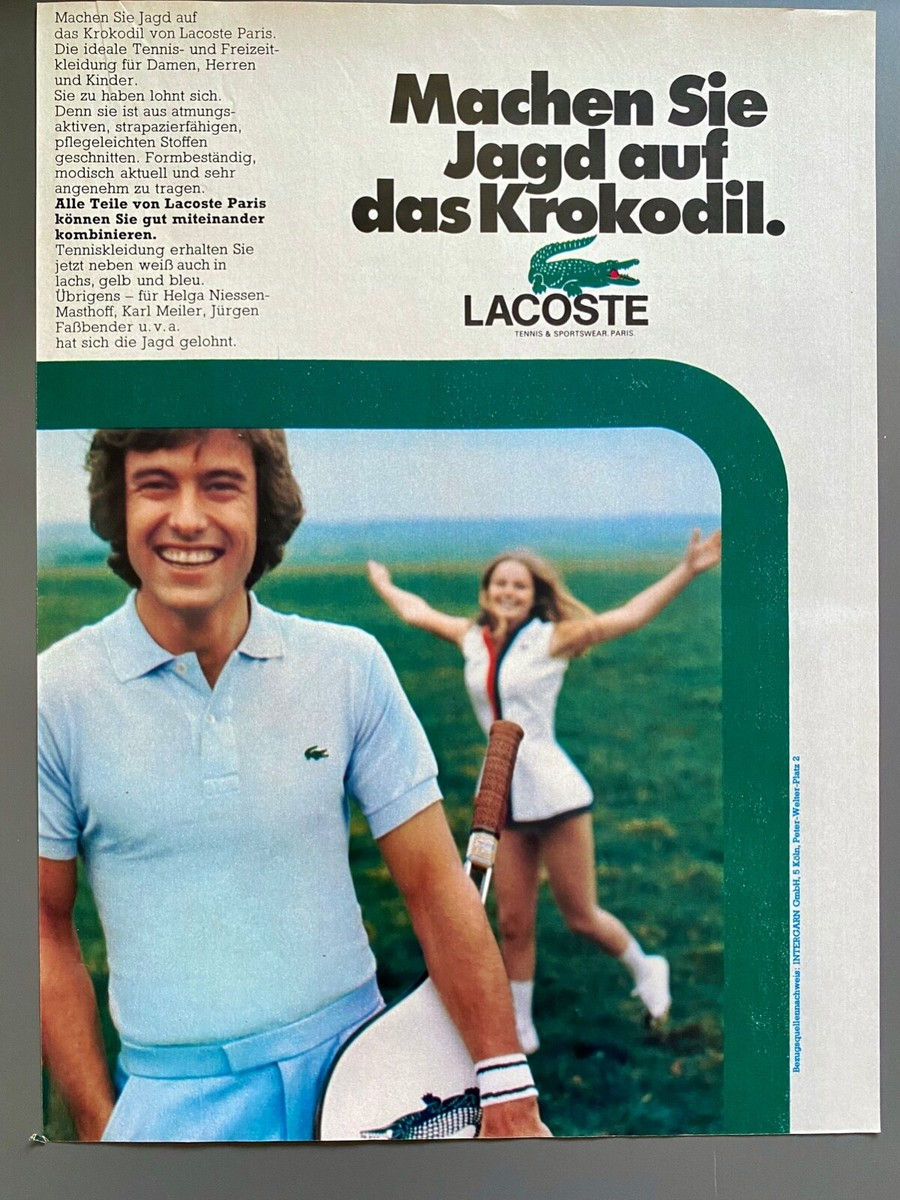
Chemise Lacoste labels are commonly associated with vintage garments from the 1970s and 1980s, with examples also appearing in other periods. The label is particularly familiar to collectors searching for classic Lacoste polos, knitwear and sportswear from the late twentieth century. During this era, Lacoste became closely associated with the preppy look, combining tennis-inspired clothing with casual everyday style. Polo shirts were worn with denim, chinos and tailored trousers, while knitted jumpers and cardigans offered a more traditional take on sportswear.
Common features of vintage Chemise Lacoste clothing include:
Embroidered crocodile logos on the chest
Cotton piqué polo shirts with structured collars
Classic colours such as white, navy, green, red and pastel shades
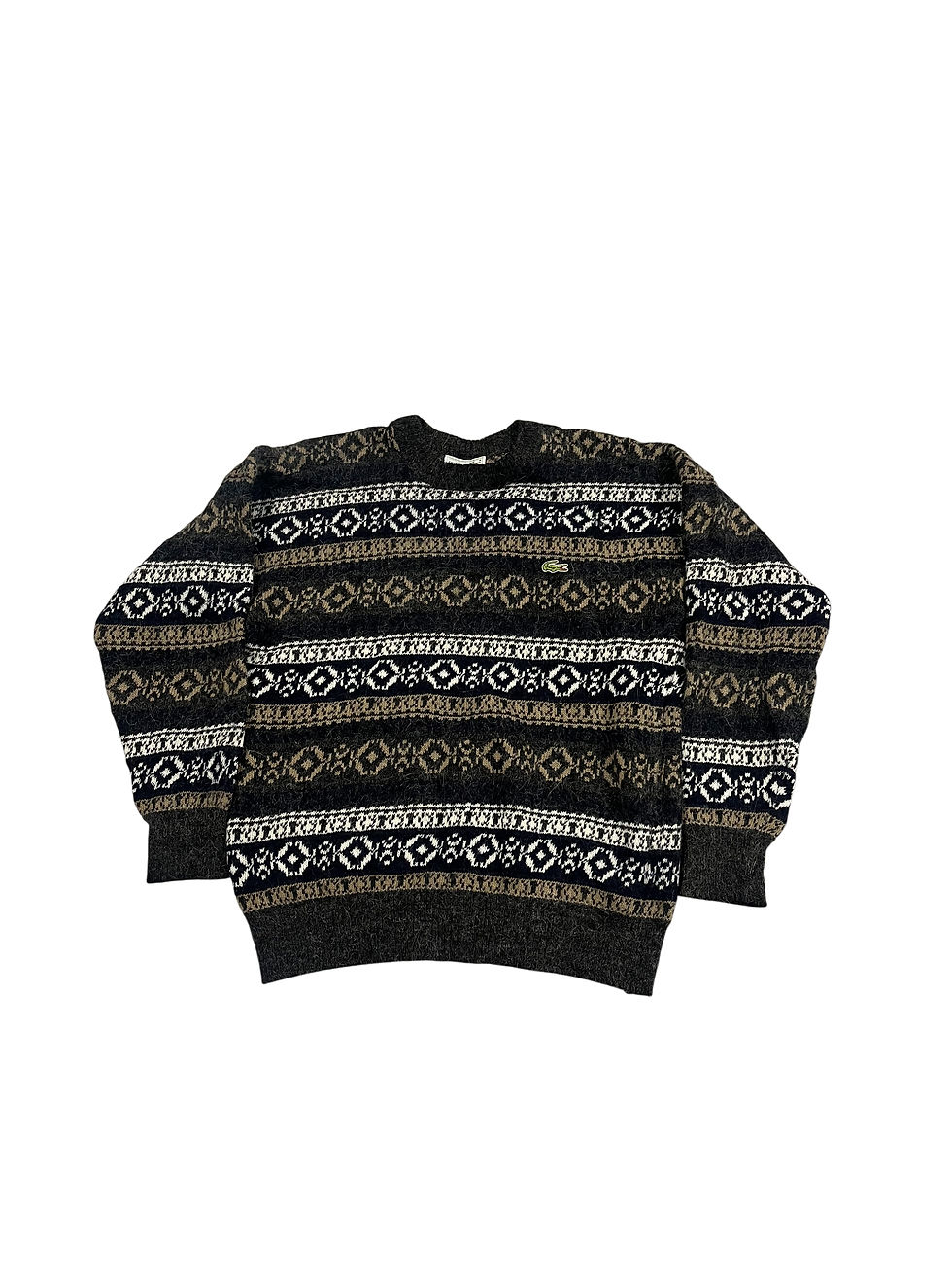
Traditional knitwear, including jumpers and cardigans
Relaxed silhouettes that work well with modern vintage styling
The label can be a useful starting point when identifying an older Lacoste garment, but it should not be used to assign an exact year on its own. The garment's construction, care labels, logo, fabric and overall design can all help establish a more reliable estimate of its age.
Made in France Lacoste: The Brand's Original Heritage
Made in France is an important detail for many vintage Lacoste enthusiasts because the brand's origins are closely tied to French textile manufacturing. Lacoste began producing its first polo shirts in Troyes, France, in 1933. The city had an established textile and knitwear industry, making it a natural home for the production of the brand's innovative cotton piqué shirts. French-made vintage Lacoste garments connect directly with this heritage. Collectors often look for the Made in France wording alongside the Chemise Lacoste label, embroidered crocodile and traditional construction when researching older pieces. However, French manufacture does not automatically make a garment older, rarer or more valuable than every other Lacoste item. Condition, design, colour, size and demand all influence desirability. The country-of-origin label is best understood as one useful part of the garment's story.
Made in Spain Lacoste: Another Part of Vintage Clothing History
Alongside French-made pieces, vintage shoppers may encounter Lacoste garments carrying a Made in Spain label. These pieces reflect the wider European manufacturing history of the brand. France and Spain both have established textile traditions, and the country shown on an individual garment provides useful information about where it was produced. For vintage collectors, a Spanish-made Lacoste polo, jumper or cardigan can be just as interesting to research as a French-made example. The key is to look at the complete garment rather than assuming that one country of manufacture automatically indicates superior quality or a particular production decade. If you're trying to date a Made in Spain Chemise Lacoste piece, compare its neck label, care label, logo, fabric and construction with other documented examples. The country of manufacture alone cannot reliably establish its age or authenticity.

Why Is Vintage Lacoste So Popular?
Vintage Lacoste has remained relevant because its designs are built around simple, recognisable details rather than short-lived trends. The crocodile logo, classic polo silhouette and traditional knitwear continue to work across different styles, from preppy outfits to 1990s sportswear and contemporary casual clothing. The brand also sits at the intersection of sport, fashion and popular culture. Originally designed for tennis, Lacoste clothing became part of a much wider wardrobe, worn for its comfort, colour and understated branding. For vintage shoppers, the appeal lies in finding individual pieces with their own character. A bold-coloured polo, a traditional knitted jumper or an older French-made garment can offer something different from current retail collections while retaining a timeless design.
How to Identify Vintage Chemise Lacoste Clothing
If you're shopping for vintage Lacoste, the label is a useful place to start, but it should never be the only detail you examine.
Look closely at the following:
Neck label: Check the wording, typography, stitching and overall design.
Country of manufacture: Look for Made in France, Made in Spain or other country-of-origin details, and consider these alongside the rest of the garment.
Crocodile logo: Examine the embroidery, shape, stitching and placement.
Fabric and construction: Cotton piqué, knitwear quality, buttons, seams and finishing can all provide useful clues.
Care and sizing labels: These may help narrow down the garment's age and intended market.
No single feature guarantees authenticity or an exact date. Comparing several details together is a more reliable way to assess a vintage piece.
Discover Vintage Lacoste at Roundrobinclassics
From classic crocodile polos to heritage knitwear and timeless sportswear, Chemise Lacoste remains an important part of vintage fashion history. Its French origins, distinctive labels and enduring designs make it a brand worth understanding, whether you're a dedicated collector or simply looking for a versatile addition to your wardrobe. At Roundrobinclassics, we celebrate handpicked clothing with character, from classic sportswear to standout pieces from past decades. Explore our selection and discover clothing that brings vintage style into the modern wardrobe.


Comments