Why Italian Premium Brands Have Always Been a Staple Across Subcultures

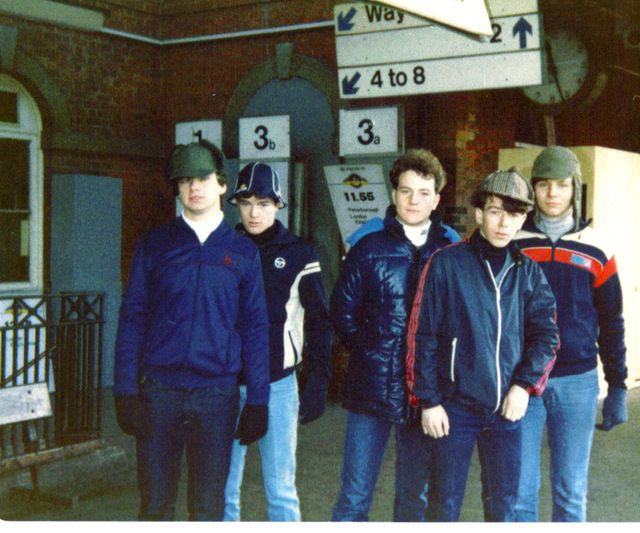
Italian premium brands have had a remarkable influence on youth fashion. From British football casuals and terrace culture to rave, streetwear and Y2K fashion, Italian labels have repeatedly crossed into different subcultures and remained relevant across generations.
Italian Sportswear and 1980s Casual Culture
The connection between Italian fashion and British youth culture can be traced back to the late 1970s and early 1980s. British football fans travelling to European matches encountered sportswear brands that were less readily available in the UK, including Fila, Ellesse and Sergio Tacchini. These labels quickly became associated with the emerging casual movement, where distinctive European sportswear became an important part of the look. The appeal was not simply about having an expensive label. Italian sportswear often combined strong colours, clean silhouettes and quality materials with designs that were different from mainstream British sportswear. The difficulty of finding certain pieces in the UK also added to their appeal.
Stone Island and C.P. Company
Stone Island and C.P. Company entered this story slightly later. Stone Island was founded by Massimo Osti in 1982, while C.P. Company had developed from Osti's earlier work and adopted its C.P. Company name in 1978. Both brands became increasingly associated with British casual culture during the 1980s. Their technical approach to clothing helped distinguish them from more conventional sportswear. Garment dyeing, unusual fabrics, functional details and distinctive outerwear gave the brands a different identity. C.P. Company's Mille Miglia jacket, introduced in 1988, became particularly recognisable within casual culture. By the 1990s, Stone Island and C.P. Company had become firmly established within terrace fashion. Contemporary coverage from 1999 described Stone Island's connection with Manchester's terrace casuals and highlighted the technical innovation of both brands.
Why Italian Brands Worked Across Subcultures
One of the reasons Italian premium brands have repeatedly crossed between subcultures is their combination of fashion and function. Technical jackets, track tops, knitwear and premium denim can be worn in very different ways without losing their original identity. This made the clothing adaptable. A piece could start as sportswear, become associated with football culture and later appear within music, nightlife or streetwear. The same process can be seen with other Italian labels, demonstrating how clothing can move between different scenes as trends evolve.
From Terrace Culture to Y2K
The influence of Italian premium clothing did not stop with football. During the 1990s and early 2000s, designer sportswear became increasingly connected with music, nightlife and wider streetwear culture. Stone Island and C.P. Company continued to have strong links with terrace fashion, while brands such as Diesel and Prada Sport became part of the wider premium sportswear and Y2K landscape. The Y2K era was particularly open to mixing different styles. Sportswear, designer clothing, technical outerwear and streetwear could all be combined within the same outfit, making Italian premium brands a natural fit for the period.
Why Italian Premium Clothing Still Matters
Italian premium brands remain an important part of vintage clothing because their history is closely connected to several different youth movements. A vintage Italian jacket or piece of sportswear can represent not only the period in which it was made, but also the subcultures that helped give it a lasting identity. From the early influence of Fila, Ellesse and Sergio Tacchini on British casual culture to the later prominence of Stone Island, C.P. Company, Diesel and Prada Sport, Italian clothing has repeatedly crossed boundaries between sport, music, streetwear and fashion. That ability to move between different subcultures is one of the reasons Italian premium clothing continues to have such a strong presence in vintage fashion today.


Comments