How to Dress 80s: A Guide to 1980s Fashion & Vintage Clothing

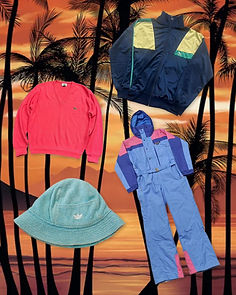
The 1980s was a decade of distinctive clothing, but genuine 1980s fashion was far broader than the bright colours and exaggerated outfits it is sometimes remembered for today. Look through original clothing from the decade and you’ll find sportswear, heavyweight sweatshirts, patterned knitwear, denim, leather jackets, technical outdoor clothing and plenty of relatively understated everyday pieces.
Many of these garments have also aged remarkably well. The silhouettes, fabrics and branding found on original 1980s clothing continue to influence contemporary fashion more than forty years later.
So, what did people actually wear in the 1980s, and what should you look for when buying vintage clothing from the decade?
Sportswear Became Everyday Clothing
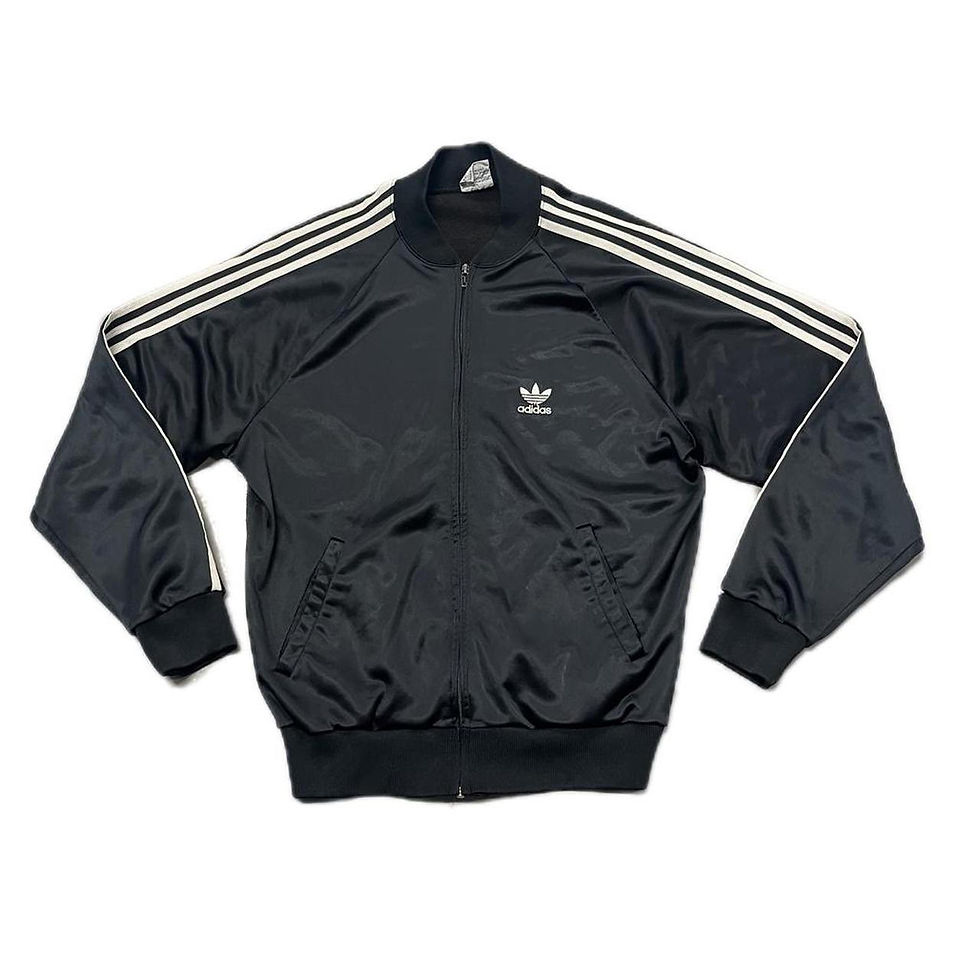
One of the most important developments in 1980s fashion was the growing influence of sportswear outside of sport. Track jackets, sweatshirts, quarter zips, polo shirts and trainers increasingly became part of everyday wardrobes. Brands including Adidas, Puma and Fila produced clothing that combined practical sportswear construction with increasingly recognisable branding. Vintage Adidas from the period is particularly distinctive. Three-stripe detailing, embroidered or woven logos, geometric patterns and contrasting panels appeared across tracksuits, sweatshirts and knitwear.
Rather than the enormous logos often associated with later streetwear, many genuine 1980s pieces used relatively restrained branding. A small embroidered logo or three stripes down a sleeve could be enough to make the manufacturer immediately recognisable. This transition helped establish the relationship between sportswear and casual fashion that continued throughout the 1990s and 2000s.
1980s Knitwear Was Anything but Basic
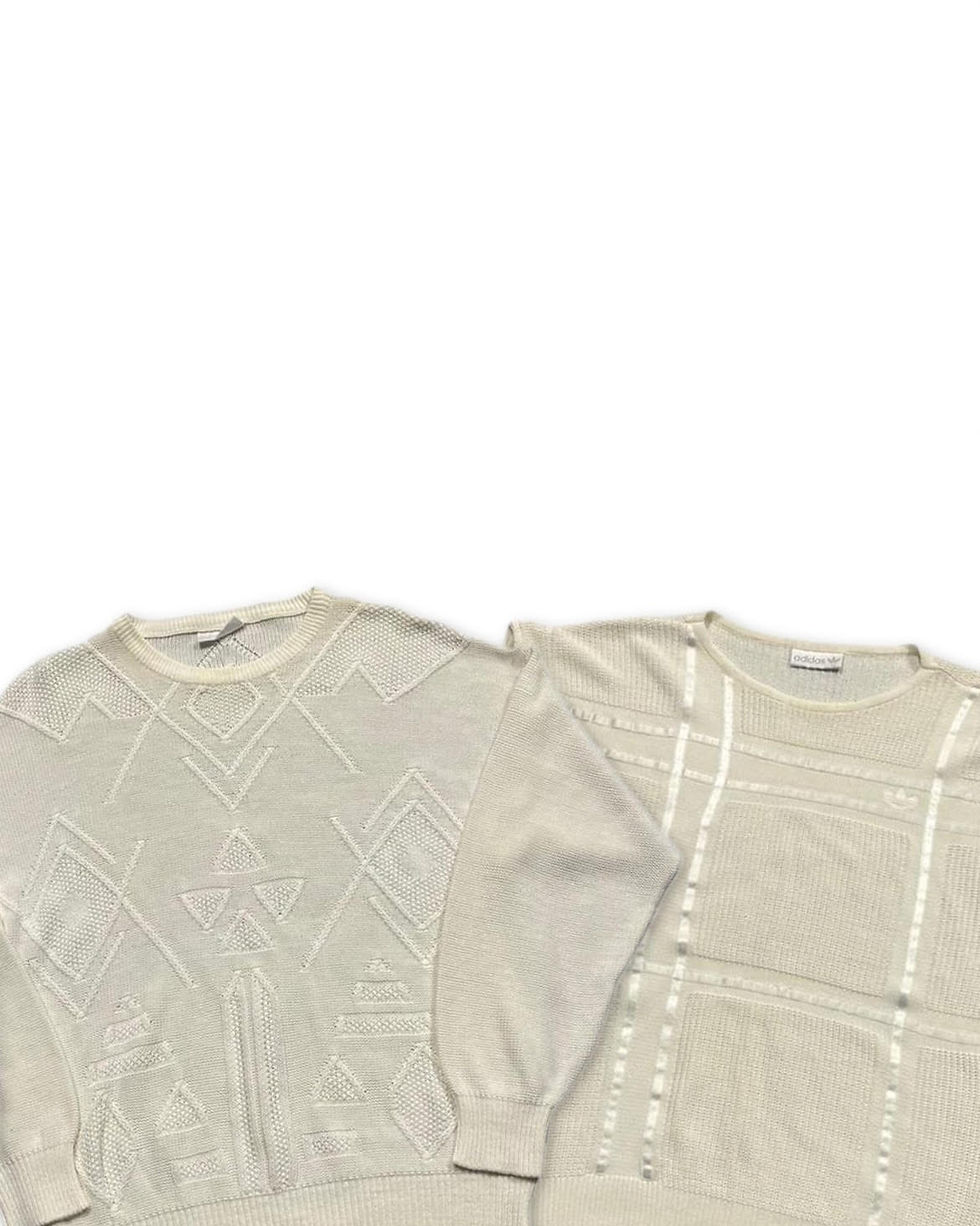
Knitwear is another particularly strong area of original 1980s clothing. While plain jumpers certainly existed, the decade produced an enormous variety of patterned knits, knitted vests, V-necks and textured sweaters. Geometric designs were particularly common, often combining several colours or different sections of pattern across a single garment. Sportswear companies also experimented with knitwear, producing pieces that now sit somewhere between traditional knitwear and vintage sportswear. An original 1980s Adidas knitted vest, for example, can look very different from what we now expect from the brand. Instead of a track jacket or football shirt, you might find a patterned sleeveless knit with relatively subtle Adidas branding. These unusual crossovers are part of what makes collecting genuine clothing from the period interesting. Brands were not always confined to the types of garments we associate with them today.
Denim in the 1980s
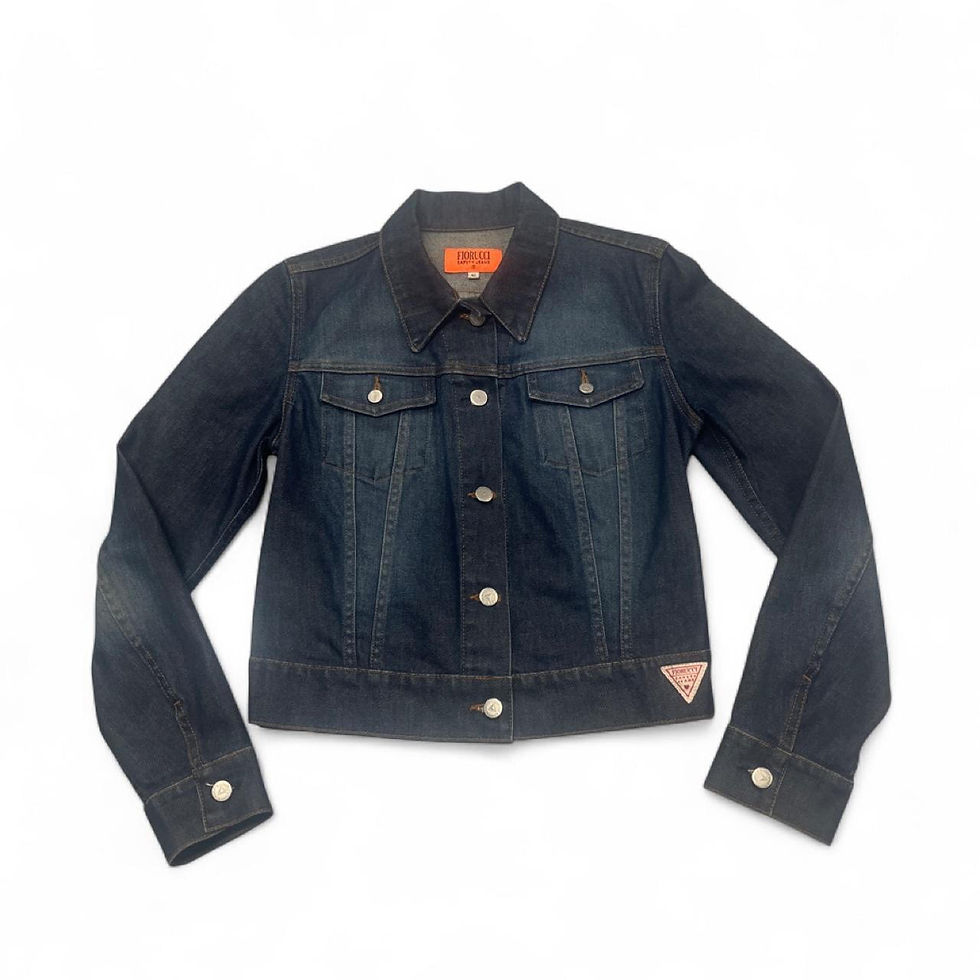
Denim remained an essential part of everyday fashion throughout the decade. Jeans generally moved away from some of the flared silhouettes associated with the 1970s, with straight and tapered fits becoming increasingly prominent. Higher rises were common, while heavier denim could create a much more structured silhouette than many modern stretch-denim jeans. Brands such as Levi’s and Wrangler were already firmly established, and original examples from the period remain popular vintage purchases today. Denim jackets were equally important. Trucker and western-inspired designs worked particularly well with the broader proportions found elsewhere in 1980s clothing. Vintage denim is also a good example of why buying by measurements rather than simply relying on the size label matters. An original pair of 1980s jeans labelled with a familiar size can fit considerably differently from a modern equivalent.
The Rise of Technical Outdoor Clothing
Some of the most interesting clothing from the 1980s wasn't originally designed as fashion at all.
Outdoor brands were developing increasingly sophisticated garments for walking, climbing, skiing and mountaineering. Practical considerations such as visibility, weather protection, layering and freedom of movement influenced their designs. This resulted in colour-blocked jackets, fleeces, insulated coats and technical shells that can now look remarkably contemporary. British outdoor brands such as Berghaus are particularly interesting from a vintage perspective. Original pieces demonstrate how technical outdoor design developed long before vintage outdoor clothing became desirable as everyday fashion. The appeal today isn't simply nostalgia. Many of these garments have strong silhouettes, distinctive colour combinations and practical features that still work in a modern wardrobe.

Leather Jackets and Outerwear
Leather remained another major part of 1980s clothing. Bomber jackets, flight-inspired designs and biker jackets offered an alternative to both sportswear and traditional coats. Fits varied considerably, but cropped bodies, wider shoulders and substantial construction are common characteristics of jackets from the period. The decade also produced plenty of practical outerwear that doesn't necessarily scream “1980s” when viewed today. This is worth remembering when shopping for genuine vintage. Not every authentic 1980s garment has an immediately recognisable decade-specific appearance. A well-made leather jacket, simple sweatshirt or denim shirt from the period can be surprisingly understated.

Sweatshirts, Hoodies and Casual Clothing
The humble sweatshirt is another important part of the story. Crew-neck sweatshirts were already well established by the 1980s, particularly within American sportswear and collegiate clothing. Heavy cotton construction, ribbed cuffs and relatively relaxed fits made them practical everyday garments. Champion is particularly important to the history of the sweatshirt. Its Reverse Weave construction had existed for decades by this point and vintage examples demonstrate the heavyweight construction that helped make American sweatshirts desirable well beyond their original sporting context. Alongside sweatshirts, rugby shirts, polos, casual shirts and simple branded tops formed a large part of everyday wardrobes. These less dramatic pieces are often some of the easiest genuine 1980s garments to incorporate into contemporary outfits.

How Did 1980s Clothing Fit?
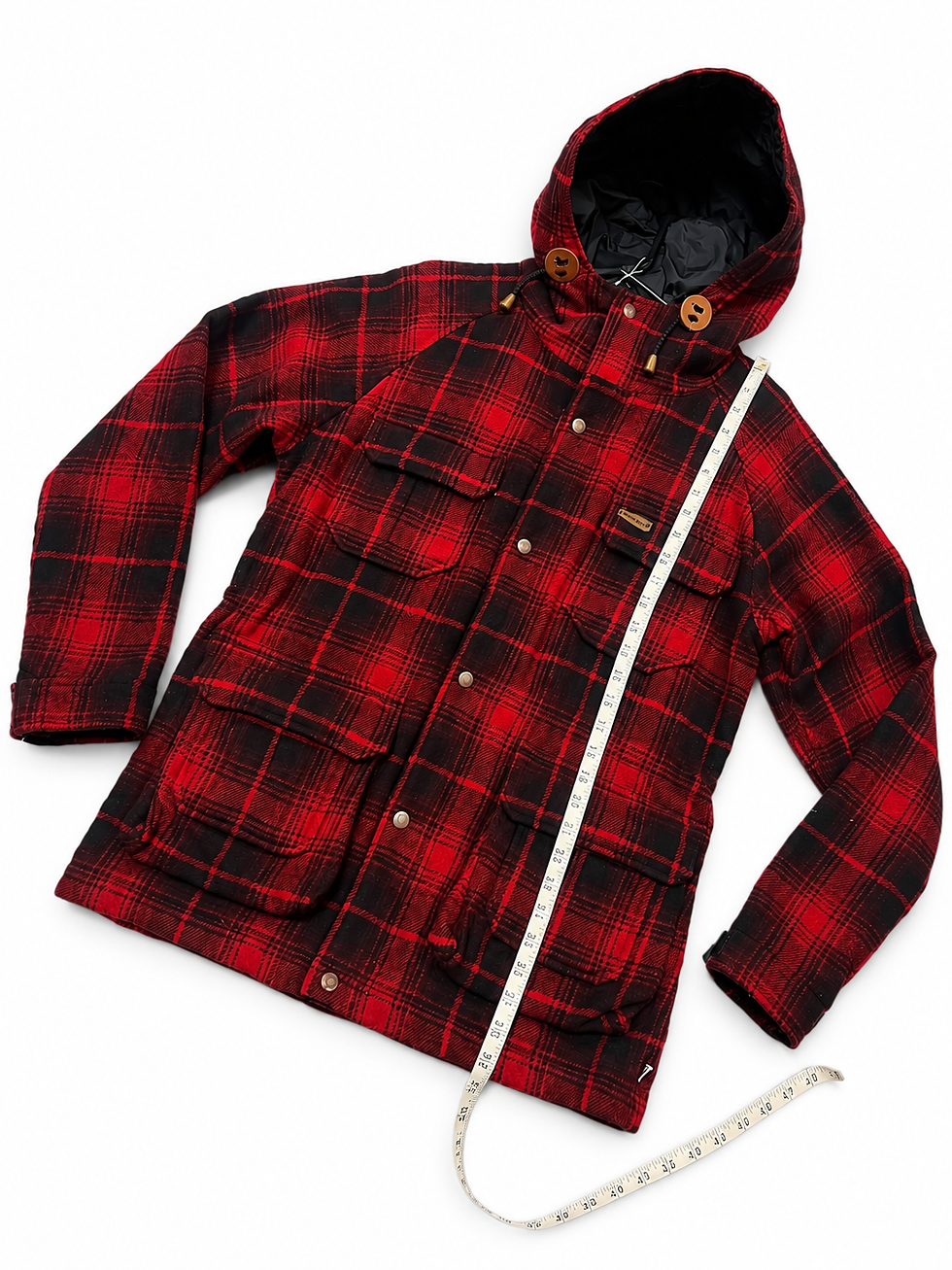
There isn't one universal “80s fit”. However, compared with much contemporary clothing, many garments from the decade have noticeably different proportions. Outerwear and sweatshirts can have wider bodies and relaxed shoulders, while trousers and jeans often sit higher on the waist. Jackets can combine a relatively short body with greater width through the chest and shoulders. At the same time, plenty of 1980s shirts, polos and knitwear have relatively conventional proportions. This is why measurements are particularly important when buying vintage clothing online. Sizing standards have changed, garments may have shrunk over decades of washing, and a vintage Large does not necessarily correspond directly with a modern Large. We recommend comparing the measurements of a vintage garment with a similar item you already own rather than purchasing purely according to the label.
How to Identify Genuine 1980s Clothing
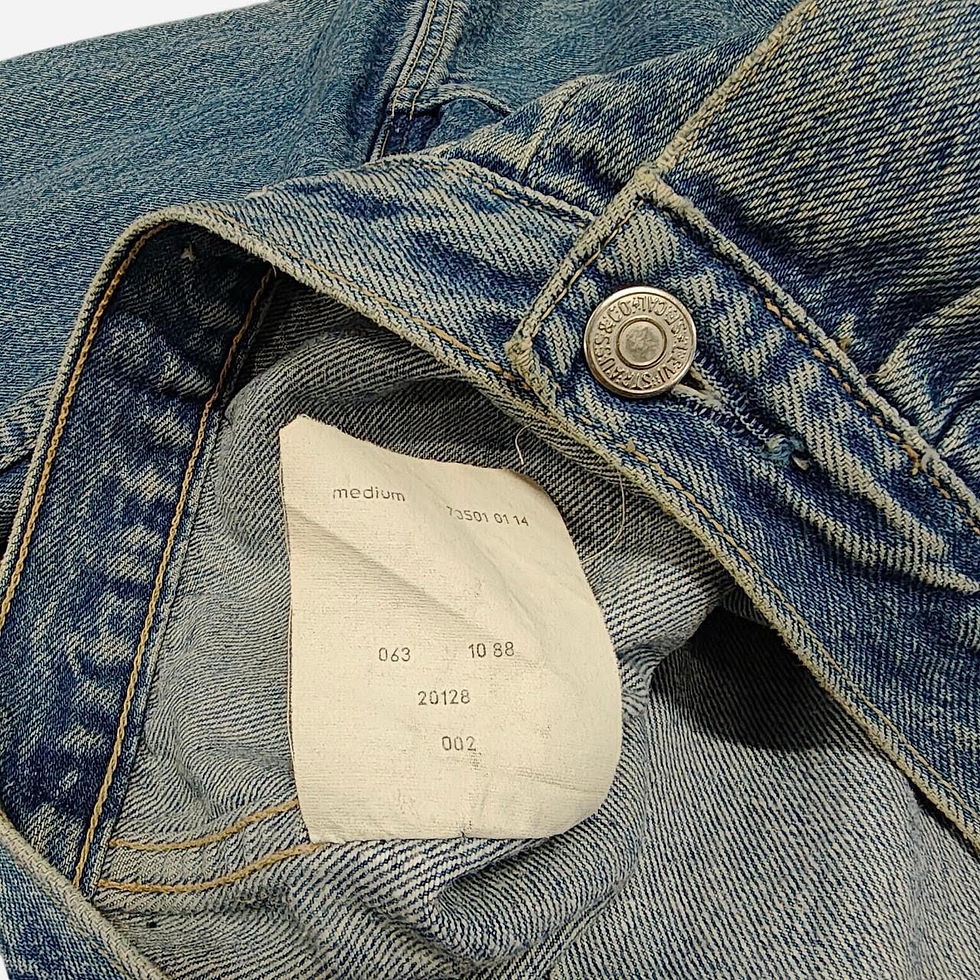
Dating vintage clothing accurately isn't always straightforward. A label can provide useful clues, but it should rarely be considered in isolation. Branding changed over time, manufacturing moved between countries and some designs remained in production across multiple years. When assessing a potential 1980s piece, look at the garment as a whole. Brand labels, care labels, country of manufacture, fabric composition, zips and other hardware, stitching, logo design and overall construction can all help establish when something was produced. Older garments may also lack some of the extensive information found on modern care labels. However, age should never be determined from a single characteristic. A metal zip doesn't automatically make a jacket old, just as a particular country of manufacture doesn't guarantee a specific decade. Researching the history of an individual brand and comparing several details usually gives a much more reliable answer.
How to Wear 1980s Vintage Clothing Today
You don't need to dress head-to-toe in period clothing to wear vintage from the 1980s.
In fact, many original pieces work best when treated exactly as you would a modern garment.
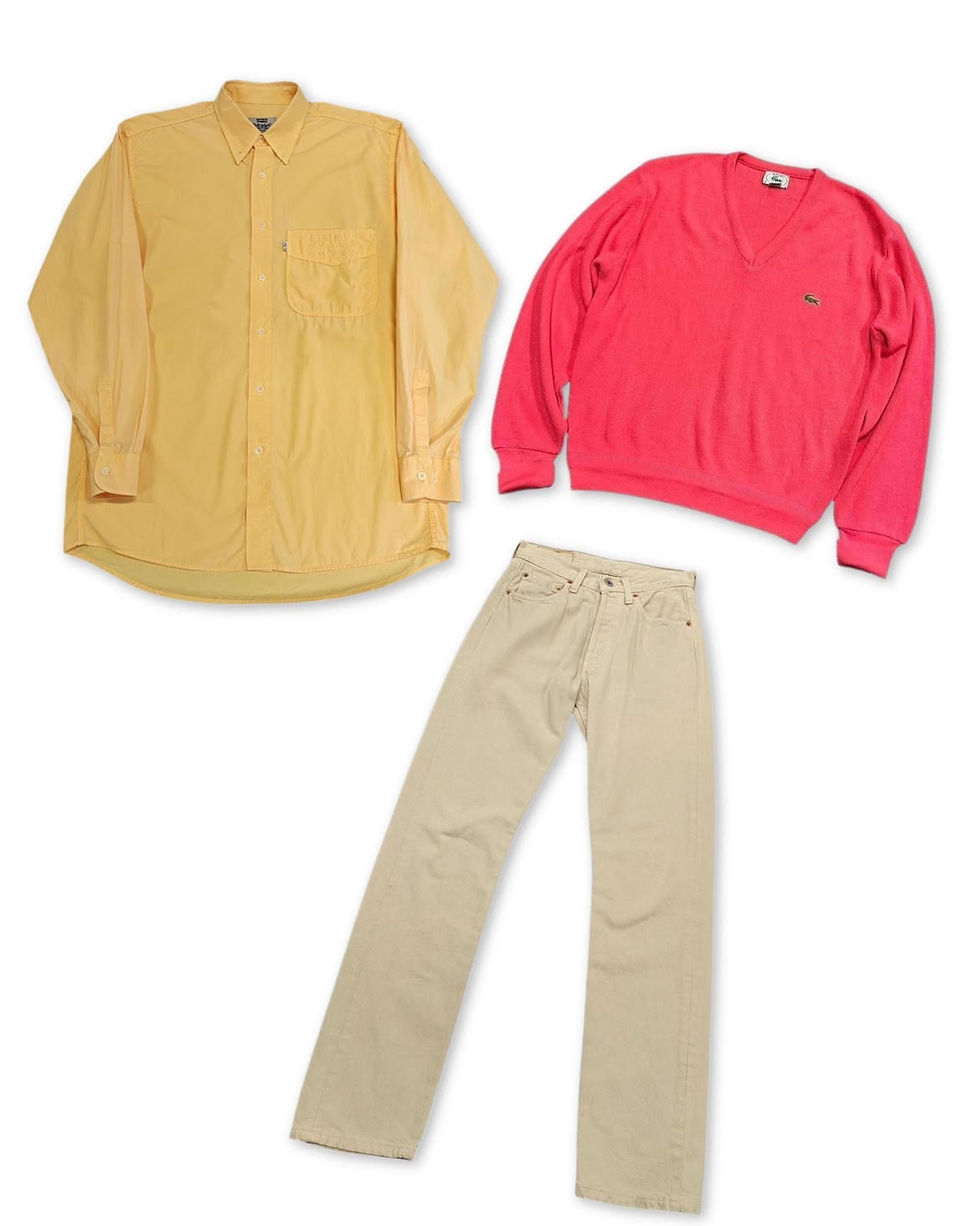
A patterned vintage knit can be worn with simple denim. An old Adidas track jacket can sit over a plain T-shirt. A heavyweight sweatshirt works with jeans or cargos, while an original outdoor jacket can become practical everyday outerwear. The aim doesn't have to be recreating an outfit from 1985.
One of the advantages of buying genuine vintage is being able to take an individual piece from another period and incorporate it into your own wardrobe.
Why Buy Original 1980s Clothing?
There is a significant difference between clothing inspired by the 1980s and clothing that was actually produced during the decade. Original vintage pieces show the fabrics, manufacturing techniques, branding and proportions of the period itself. They also allow you to find versions of familiar brands that may be completely different from their modern collections. No two vintage wardrobes need to look the same. Someone interested in sportswear might look for original Adidas or Puma. Another person might prefer patterned knitwear, old Levi’s denim, leather outerwear or technical Berghaus pieces. That's ultimately what makes 1980s vintage clothing interesting. There wasn't one 80s look.
The decade encompassed sportswear, outdoor clothing, workwear, denim, knitwear and everyday casual clothing — much of which continues to feel relevant today. At Roundrobinclassics, we source original vintage clothing across different decades, brands and styles, including a regularly changing selection of genuine 1980s pieces. As with all vintage clothing, availability changes as individual items are sold.


Comments