How 90s Hip-Hop Changed Fashion Forever

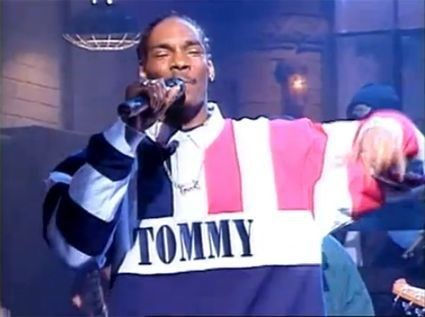
Few decades changed the relationship between music and fashion quite like the 1990s. Hip-hop entered the decade as an already established cultural force, but what happened over the following ten years was on another scale. Rap stars became global celebrities. Music videos reached millions of homes. Regional scenes developed their own identities, and the clothes worn by artists began influencing wardrobes far beyond New York and Los Angeles. Snoop Dogg, The Notorious B.I.G., Tupac Shakur, Wu-Tang Clan, Nas and countless others didn't all dress alike. That is part of what makes the decade so interesting. One artist might appear in oversized workwear and a sports jersey. Another in a colourful knitted jumper. Another in Timberland boots and a huge jacket. By the end of the decade, luxury labels had become increasingly visible too. Together, these different looks helped transform 90s hip-hop fashion from the style of a musical subculture into something that would permanently influence mainstream clothing.
Hip-Hop Was Already Changing Fashion
The relationship between hip-hop and clothing didn't begin in the 1990s. During the previous decade, artists such as Run-DMC had already demonstrated the power musicians could have over fashion. Their association with Adidas became one of the most famous early examples of hip-hop taking an existing sportswear brand and giving it a new cultural meaning but the 1990s took that relationship much further. Hip-hop itself was expanding rapidly, and the clothes expanded with it. Rather than one definitive "hip-hop look", different cities, scenes and artists began creating their own interpretations and increasingly, the rest of the world was watching.

The West Coast: Snoop, Tupac and a Different Silhouette
When Snoop Dogg emerged alongside Dr. Dre in the early 1990s, the West Coast had developed a visual identity that was immediately recognisable. Clothing was loose, often extremely loose.
Oversized shirts, workwear trousers, denim, sports jerseys, plaid shirts, baseball caps and classic trainers all became associated with the Californian look. Snoop's style could move between sportswear, workwear and pieces influenced by the wider culture of Los Angeles. The proportions were important: trousers sat loose, shirts were oversized and nothing looked particularly restrictive.
Tupac was harder to define, across his career he wore everything from denim and leather to sports jerseys, workwear and tailoring. Bandanas became one of his most recognisable accessories, while his ability to move between street clothing and more extravagant pieces reflected the changing position of the rapper in popular culture. These weren't fashion models presenting carefully assembled seasonal collections. They were musicians whose clothes became part of their identity and millions of young people were paying attention.

New York Had Its Own Uniform
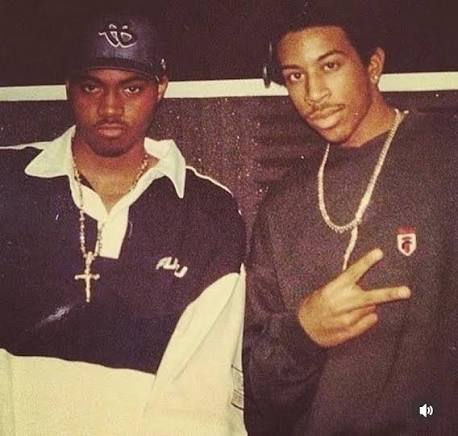
Across the country, New York hip-hop looked different. The city's harsh winters helped make heavy outerwear and boots practical parts of the wardrobe, while brands including Timberland, Polo Ralph Lauren and Tommy Hilfiger became deeply connected with 90s hip-hop style. Timberland boots are perhaps the clearest example. Originally built as practical outdoor footwear, the classic wheat boot became inseparable from the visual language of East Coast rap. Wu-Tang Clan wore them, Biggie wore them & Nas wore them. What had been designed as functional footwear became a cultural icon. It was a pattern that would repeat throughout the decade: hip-hop continually took clothing created for another purpose and completely changed what it represented.

Biggie Made Luxury Feel Different
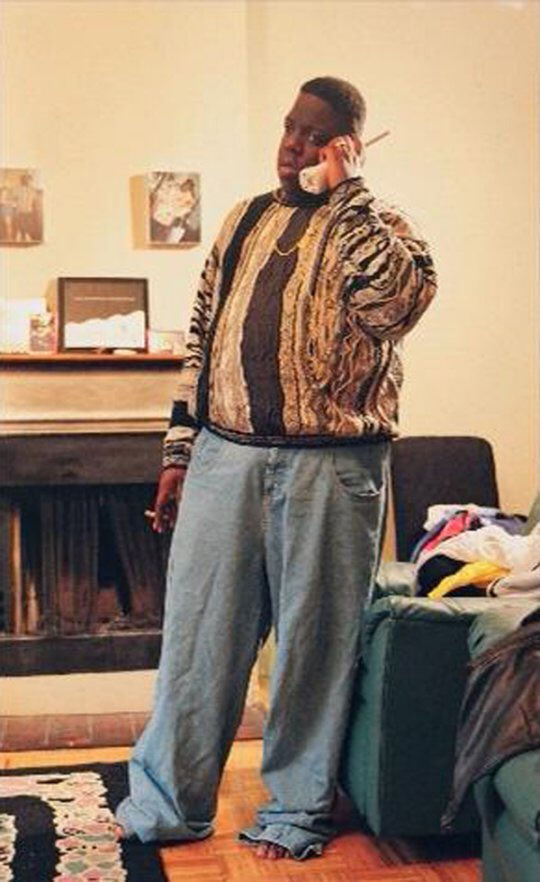
The Notorious B.I.G. brought another dimension to 90s hip-hop fashion. Biggie could wear streetwear and sportswear, but some of his most memorable looks were considerably more extravagant. Colourful Coogi knitwear became famously associated with him. Versace sunglasses and designer clothing sat alongside leather jackets, sportswear and traditional street clothing. It reflected something bigger happening within hip-hop. Success was becoming visible and the clothes could communicate where somebody came from, but increasingly they could also communicate where they had arrived. Luxury fashion had existed around music long before hip-hop, of course but rappers began wearing designer clothing on their own terms, combining expensive European fashion with pieces rooted in American street culture. A Versace accessory didn't necessarily replace the Timberlands. It could be worn with them and that mixture would become hugely influential.
Tommy Hilfiger, Polo and the Power of the Logo
Few things say 1990s fashion quite like an enormous logo. Tommy Hilfiger became particularly connected with the era as oversized Tommy pieces appeared throughout hip-hop and youth culture. Polo Ralph Lauren also developed a passionate following within New York street culture, most famously around the Lo Life movement. These brands weren't created specifically for rappers and that is what makes the story so interesting. Hip-hop audiences took established American fashion labels and changed how they were worn. A preppy Polo piece could become streetwear and an oversized Tommy jacket could carry completely different associations from the same brand's traditional advertising. The customer was helping redefine the brand. Today, fashion companies actively chase cultural relevance through musicians and influencers. During the 1990s, some of the most important relationships were considerably less controlled. Culture moved first, the brands had to catch up.

Sportswear Was Everywhere
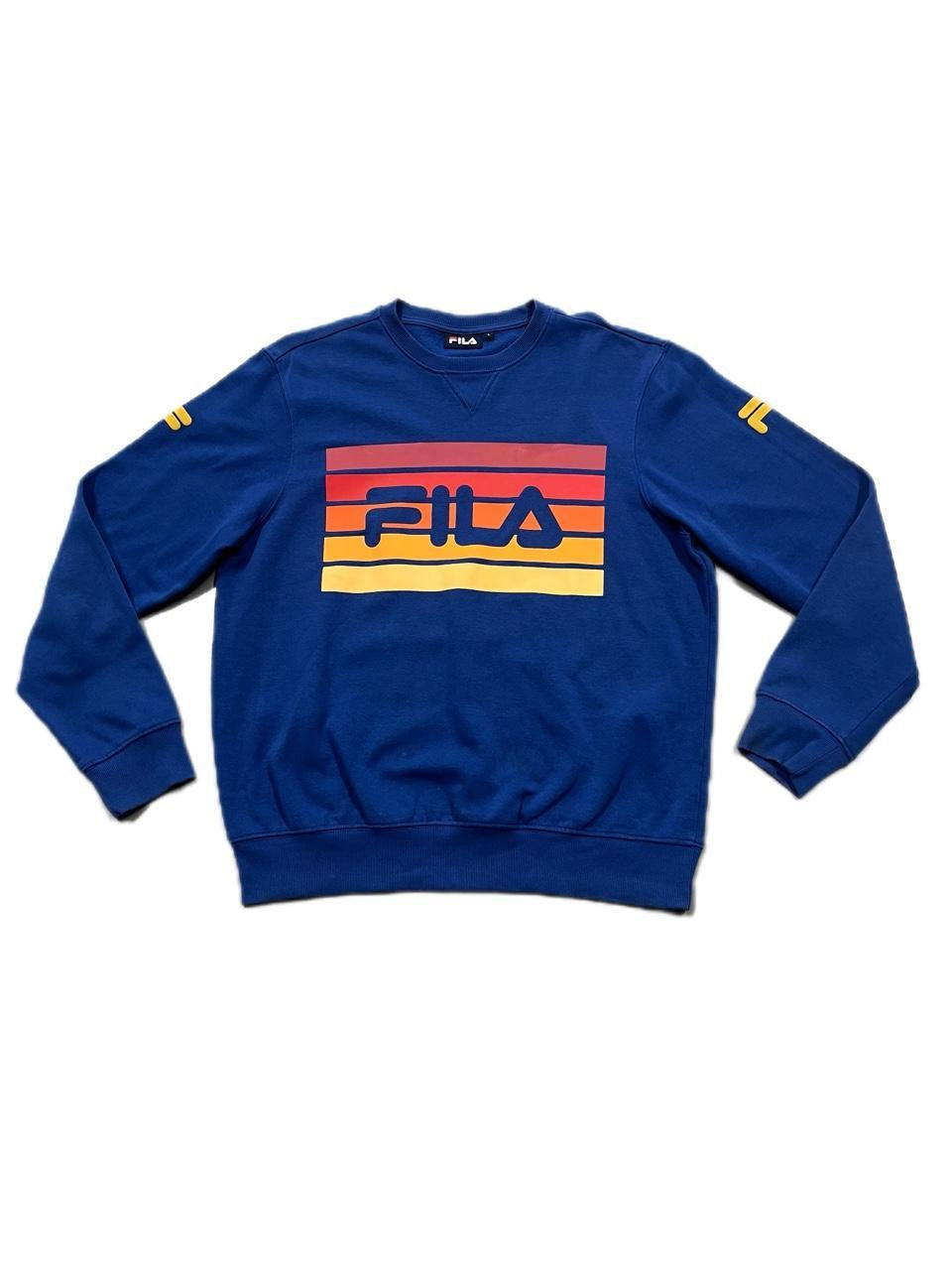
Nike, Adidas, Fila, Champion and countless team jerseys all appeared within the wider visual landscape of 90s hip-hop. Again, context changed everything, a basketball jersey no longer had to be worn to play basketball, a tracksuit didn't require a running track and a baseball cap didn't require any particular interest in baseball. Hip-hop helped accelerate something we now take completely for granted: sports clothing becoming ordinary everyday fashion and because the clothes were generally designed with movement and comfort in mind, they naturally suited the oversized silhouettes dominating the decade. A large sweatshirt, loose pair of jeans, trainers and cap could be incredibly simple but by the mid-1990s, that simplicity carried cultural meaning.
The Music Video Changed Everything
None of this would have travelled in quite the same way without television. For much of the 1990s, the music video was one of the most powerful tools an artist had. Before social media gave people a constant view into the lives and wardrobes of musicians, appearances on MTV and other music television channels could become cultural events. You didn't just hear a new record, you saw the world surrounding it. The cars, the neighbourhoods. the jewellery, the trainers, the jackets, the jeans.
For audiences thousands of miles away from the places where hip-hop culture was developing, music videos provided a window into it. That mattered particularly outside America. A teenager in Britain didn't need to live in Brooklyn or Los Angeles to see how their favourite rapper dressed, they just needed a television.

When Baggy Became the Default
Of all the fashion legacies of 90s hip-hop, perhaps the most obvious is proportion. Everything became bigger, T-shirts were longer, jeans were wider, jackets were roomier and sweatshirts were oversized. The silhouette was almost the complete opposite of the fitted clothing that would dominate parts of menswear two decades later. There wasn't one single reason for this, skate culture, workwear, sportswear and different regional scenes were all developing alongside one another but hip-hop gave the oversized silhouette an extraordinary level of visibility. Eventually it travelled far beyond rap. By the end of the decade and into the early 2000s, loose clothing could be found across skateboarding, nu metal, pop, club culture and mainstream high-street fashion. A silhouette associated with a subculture had become normal.
From the Street to the Fashion Industry
By the late 1990s, the relationship between hip-hop and fashion had fundamentally changed. Rappers and figures within the culture were no longer simply consumers influencing existing brands. Increasingly, hip-hop was creating its own fashion businesses. FUBU became one of the defining examples. Founded in New York in the early 1990s, the brand grew alongside hip-hop and demonstrated the enormous commercial potential of clothing created from within the culture rather than simply marketed towards it. By the end of the decade, Jay-Z and Damon Dash had also co-founded Rocawear. The direction of influence was changing. For years, established fashion companies had watched their clothes become adopted and reinterpreted by hip-hop, now hip-hop was building the brands.
Why It Still Looks Familiar
Look at contemporary streetwear and much of the 1990s suddenly doesn't seem very distant.
Loose denim is back. Oversized jackets are back. Workwear has become an enormous part of everyday fashion. Vintage sportswear is everywhere, football and basketball jerseys are styled as fashion pieces, big logos have returned again and again. Even the combination of luxury clothing with everyday sportswear — something that once seemed contradictory — is completely normal.
Of course, fashion rarely returns exactly as it was. Modern interpretations mix decades, references and subcultures together. Someone wearing baggy Levi's, an oversized vintage sweatshirt and workwear jacket today might be borrowing from hip-hop, skate culture, 90s sportswear and early-2000s fashion simultaneously but the influence of 90s hip-hop runs through all of it.
When Ordinary Clothes Become Vintage
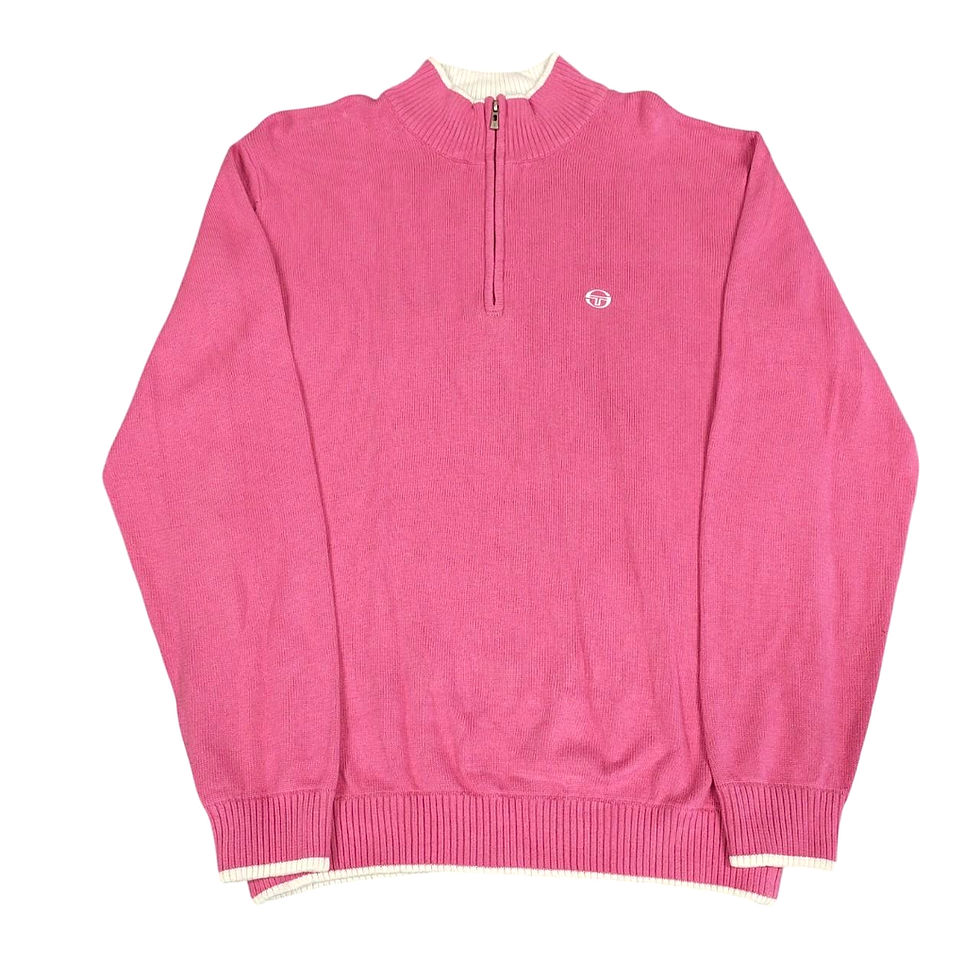
There is something particularly interesting about looking at these clothes more than thirty years later, many weren't originally considered precious. A Champion sweatshirt was sportswear, a Timberland boot was practical footwear, a pair of Levi's was denim, a Tommy Hilfiger jacket was simply a jacket somebody had bought in the 1990s, time changes how we see them. The fading, oversized cuts, old logos and construction that once looked completely ordinary now immediately place a garment within a particular period. That's one of the reasons vintage clothing is about more than labels. Clothes carry evidence of the culture around them and few cultures left a bigger mark on the clothes of the 1990s than hip-hop.
More Than a Fashion Trend
Calling 90s hip-hop fashion a "trend" doesn't really do it justice. Trends disappear. The influence we're talking about never really did. Hip-hop changed how sportswear was worn, how luxury fashion interacted with street culture and how brands could gain meaning from the people wearing them rather than the people advertising them, it helped make oversized clothing mainstream. It helped turn practical boots into fashion icons. It demonstrated the enormous cultural power of musicians over clothing long before the age of Instagram endorsements and influencer campaigns, and perhaps most importantly, it helped establish something that now feels completely normal: street culture could dictate fashion rather than simply follow it. Snoop, Biggie, Tupac and the Wu-Tang Clan weren't sitting around trying to create a 1990s aesthetic for future generations to recreate, they were simply part of the culture happening around them. Thirty years later, we're still wearing its influence.


Comments