Crown Green Bowling: Northern Heritage, Working-Class Culture & British Style


From pub gardens and social clubs to municipal parks and competitive greens, crown green bowling has been part of the landscape of Northern England for generations. Particularly associated with Lancashire and the North West, the sport represents something bigger than competition alone. It is tied to local communities, working-class leisure and a distinctly Northern social history. At Roundrobinclassics, we are interested in more than simply where a piece of vintage clothing was made, vintage clothing provides a connection to the cultures, communities and everyday lives of the people who originally wore it and the history of crown green bowling is one fascinating part of that story.
What Is Crown Green Bowling?
Crown green bowling is a form of bowls traditionally played on a grass green with a raised centre, or "crown". Unlike a completely flat bowling surface, the crown and varying slopes of the green affect the path of the bowls. Every green therefore has its own characteristics, adding another dimension of skill and local knowledge to the game.
Although bowls has a much longer history in Britain, crown green bowling developed a particularly strong identity across Northern England and the Midlands. Lancashire became one of its great heartlands.

Crown Green Bowling and Lancashire
The connection between Lancashire and crown green bowling stretches back well over a century. The Lancashire and Cheshire Bowling Association was formed in 1888, making it the oldest county bowling association in England. The British Crown Green Bowling Association followed in 1907. While bowling greens elsewhere increasingly adopted flat-green formats, many Lancashire clubs continued playing the older style of game that eventually became widely known as crown green bowls.
The sport became particularly established around towns including Bolton, Wigan and Chorley, with Lancashire developing a strong competitive bowling tradition. It is difficult to separate the history of crown green bowling from the industrial towns and communities in which it flourished.
From Industrial Towns to Bowling Greens
For generations of people living in Britain's industrial towns, leisure time was closely connected to the local community. Pubs, working men's clubs, social clubs, football grounds, parks and bowling greens weren't simply places to spend a Saturday afternoon. They were meeting places, crown green bowling fitted naturally into this environment.
The green became somewhere to compete, socialise and spend time with friends and neighbours. Local clubs developed their own identities, rivalries and traditions, often becoming institutions within their communities.
That history gives crown green bowling an interesting connection to another subject we care about at Roundrobinclassics: the clothing of everyday British life.

What Does Crown Green Bowling Have to Do With Vintage Clothing?
At first glance, crown green bowls and vintage fashion might seem like completely different subjects. Look slightly closer, however, and there is an important connection. Much of what we now describe as "vintage" wasn't originally created to become collectible fashion. A knitted jumper was simply a jumper. A sports jacket was something practical to throw on at the weekend. A polo shirt was casual clothing. A windbreaker kept the weather out. Track tops, cardigans, caps, shirts and lightweight jackets were worn to football matches, pubs, social clubs, workplaces, parks and sporting events.
These were clothes that existed within communities and crown green bowling gives us another window into that world.

The Style of British Leisure
One of the most interesting things about vintage clothing is seeing how dramatically the idea of casual dress has changed. Look back at photographs of British leisure during the twentieth century and you'll often find clothing that today wouldn't look out of place in a vintage shop. Knitted jumpers, polo shirts, collared shirts, cardigans, sports jackets and simple outerwear were everyday wardrobe staples. By the 1980s and 1990s, sportswear had become an increasingly important part of British casual clothing too. Brands such as Adidas, Nike, Umbro, Fila, Kappa and Champion became familiar sights across British towns, while traditional British outerwear and knitwear remained part of everyday wardrobes. Not all of these clothes had anything directly to do with bowling. The connection is cultural rather than literal. They belonged to the same towns, decades and communities.

Sport Has Always Influenced British Style
British fashion and sport have crossed paths repeatedly, football provides perhaps the most obvious example. During the late 1970s and 1980s, football supporters helped transform European sportswear and trainers into an important part of British street style. The football casual movement would eventually have a lasting influence on how brands such as Adidas, Fila and other sportswear labels were perceived. But football wasn't the only sport woven into everyday British life. Cricket, tennis, rugby, golf and bowls all developed their own clothing traditions and social environments.
Pieces of clothing can therefore tell us something about how previous generations spent their time as well as how they dressed.
The Bowling Club as a Piece of Northern Heritage
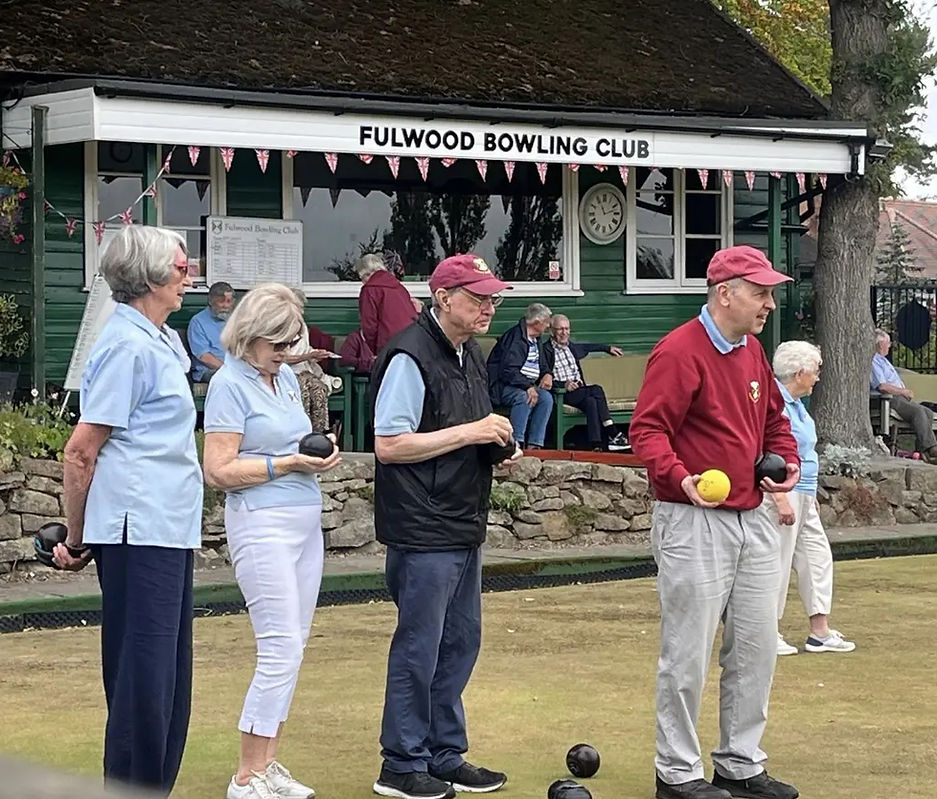
There is also something unmistakably nostalgic about the traditional British bowling club.
The wooden pavilion.
The benches around the green.
The club noticeboard.
A pint after the match.
Local competitions.
Summer evenings on the green.
Generations of players from the same towns.
These places form part of the physical history of Northern communities in much the same way as old pubs, football grounds, social clubs and high streets. Some have disappeared. Others continue to thrive and crown green bowling itself is far from simply being a relic of the past. Clubs and governing bodies continue to work to introduce the sport to new generations.
Perhaps that is another parallel with vintage clothing.
Preserving Something Rather Than Replacing It
There is a tendency to assume that anything old needs replacing. Vintage culture challenges that idea. A jacket manufactured forty years ago can still be worn today. An old design can find a completely new audience. Clothing once considered ordinary can eventually become an interesting record of another era. Crown green bowling represents a similar form of continuity.
The sport has survived enormous changes to Britain's towns, industries and leisure habits while retaining many of the characteristics that make it distinctive. A new generation doesn't necessarily have to recreate the past, sometimes it can simply discover what was already there.

Why Northern Heritage Matters to Roundrobinclassics
Roundrobinclassics is a Manchester-based vintage clothing business, and Northern culture naturally forms part of our identity. Our collection includes clothing spanning different decades, brands and subcultures, from classic British outerwear and knitwear to vintage Adidas, Nike and 1990s sportswear. For us, understanding vintage clothing also means understanding some of the world that surrounded it.
Football terraces.
Nightclubs.
Factories.
Music.
Pubs.
High streets.
Social clubs.
And, occasionally, the crown green.
These seemingly ordinary parts of British life helped create the culture in which many of today's vintage pieces were originally worn.
More Than Just Old Clothes
Perhaps this is ultimately what makes vintage clothing interesting. Every surviving garment comes from somewhere, it existed before it reached a vintage rail. Someone bought it. Someone wore it. It belonged to a particular decade and existed alongside the music, sport, workplaces and social life of that period.
Crown green bowling might seem an unlikely subject for a vintage clothing website.
But look at its history across Lancashire and Northern England and the connection begins to make sense. Both are reminders that culture isn't only created by famous designers, musicians or celebrities. Sometimes it develops quietly in ordinary places — on football terraces, inside social clubs, around pub tables and beside bowling greens, and generations later, those everyday pieces of British life become heritage.


Comments